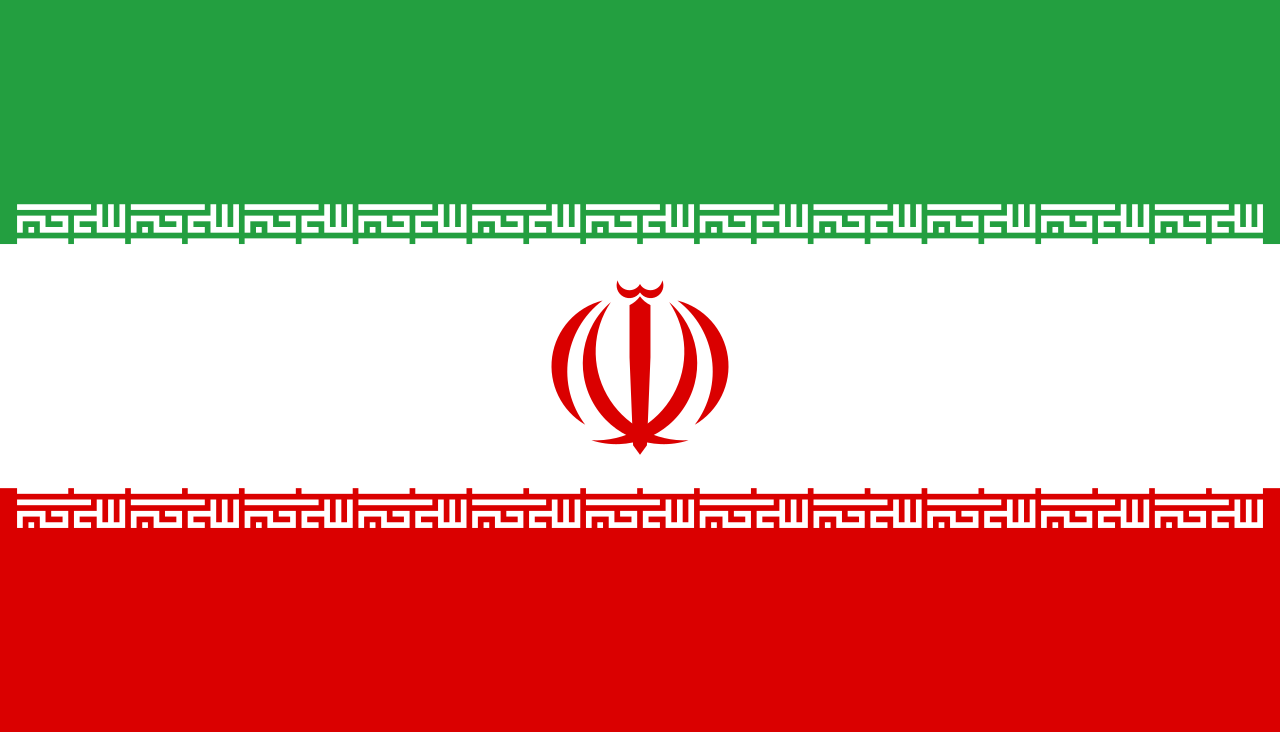
The Genesis of Resilience: Understanding Iran's Survival Strategy
In a world fraught with geopolitical complexities, few nations face the sustained external pressures that Iran does. Decades of international sanctions, coupled with a volatile regional environment, have necessitated a profound and comprehensive approach to national endurance. Far from merely reacting to crises, the Iranian government has meticulously crafted a series of strategic blueprints, widely referred to as Iran's Resilience Plan: Surviving Sanctions Through Diplomacy & Economy, or in the local discourse, iran überleben pläne (Iran survival plans). These aren't temporary fixes but a deeply ingrained philosophy aimed at ensuring the nation's long-term viability and influence.
At its core, Iran's survival strategy is a multi-dimensional endeavor designed to minimize vulnerabilities and maximize inherent strengths. It encompasses robust economic diversification, a concerted push for self-sufficiency in critical sectors, and an agile foreign policy focused on forging new alliances and mitigating conflicts. Experts consistently point to these How Iran Navigates Sanctions: Self-Sufficiency & Eastern Alliances as the bedrock of the country's resilience, demonstrating a strategic foresight that sets it apart from other states facing similar external pressures.
This proactive stance is critical. Unlike nations with more fragile internal structures, Iran's leadership recognizes that a purely defensive posture is insufficient. The objective is not just to withstand pressure, but to thrive despite it, reshaping its economic and diplomatic contours to ensure continuity and sovereignty. This requires an intricate dance between internal development and external engagement, ensuring that the fabric of the state remains robust against any attempts at destabilization.
Economic Resilience: Diversification and Self-Sufficiency
A cornerstone of iran überleben pläne is the relentless pursuit of economic resilience. Recognizing the weaponization of economic tools through sanctions, Tehran has prioritized reducing its dependency on oil revenues and insulating its economy from external shocks. This strategy manifests in two primary areas: strengthening domestic production and strategically diversifying its trade relationships.
Strengthening Domestic Production & Reducing Import Dependence
The drive for self-sufficiency is paramount, particularly in sectors deemed critical for national security and stability. Iran has invested heavily in boosting local production across various industries:
- Food Security: Agriculture has seen significant focus, with initiatives to increase domestic yields of staples like wheat, rice, and dairy products. The aim is to reduce reliance on food imports, which can be vulnerable to supply chain disruptions and currency fluctuations. Programs incentivize local farming, improve irrigation, and modernize agricultural practices, making the country less susceptible to external pressures affecting its basic sustenance.
- Energy Sector Independence: While a major oil and gas producer, Iran is also striving for greater self-reliance in energy processing and technology. This includes expanding refining capacity to meet domestic fuel needs, investing in renewable energy sources like solar and wind power, and developing indigenous expertise in energy infrastructure. This ensures that even under severe energy sanctions, the country can maintain essential services and industrial operations.
- Manufacturing and Technology Localization: From pharmaceuticals to automotive parts, and even advanced military equipment, there's a concerted effort to localize production. This not only creates jobs and fosters internal industrial growth but also builds a domestic knowledge base, reducing the need for foreign components and expertise. Such localization is vital for maintaining strategic autonomy and minimizing the impact of technology embargoes.
These initiatives are not without challenges, but they underscore a clear strategic direction: by producing more of what it needs internally, Iran aims to lessen its exposure to import vulnerabilities and bolster its economic sovereignty.
Exploring New Trade Horizons
Simultaneously, Iran's economic survival strategy involves a deliberate pivot away from traditional Western-centric trade partnerships. The focus has shifted dramatically towards emerging markets in Asia, Africa, and Latin America. This includes:
- Expanding Bilateral Trade Agreements: Actively seeking new trade partners and negotiating agreements that often involve non-dollar transactions, such as local currency swaps or barter systems, to circumvent the global financial architecture dominated by the U.S. dollar.
- Leveraging Regional Blocs: Engaging more deeply with regional economic organizations and initiatives, fostering trade networks that are less susceptible to Western influence. This strategy aims to build parallel economic systems that operate independently of global financial bottlenecks.
This reorientation is a critical component of iran überleben pläne, effectively creating diversified economic lifelines that reduce the impact of sanctions from specific blocs of countries.
Geopolitical Realignments: Diplomacy and Strategic Alliances
Beyond economics, Iran's survival strategy is deeply interwoven with its foreign policy, focusing on strengthening its geopolitical position through strategic alliances and diplomatic engagement. This aspect of the iran überleben pläne is crucial for ensuring regional stability and securing international backing.
Deepening Ties with Eastern Powers
A cornerstone of Iran's geopolitical strategy is the deepening of its relationships with major Eastern powers, primarily China and Russia. These alliances offer multifaceted benefits:
- Economic Lifelines: China and Russia serve as vital trade partners, often facilitating transactions and investments that other countries might avoid due to sanctions. This includes energy deals, infrastructure development (e.g., within China's Belt and Road Initiative), and technology transfers.
- Diplomatic Support: Both nations often provide diplomatic cover for Iran on the international stage, particularly within organizations like the United Nations Security Council, effectively blunting Western efforts to further isolate Tehran.
- Military and Security Cooperation: Exchanges in military technology, joint exercises, and intelligence sharing bolster Iran's defense capabilities and demonstrate a united front against perceived Western hegemony. This strategic partnership acts as a deterrent, making external military intervention a far more complex and risky proposition.
These relationships are more than transactional; they represent a strategic realignment that challenges the unipolar world order, creating a counterbalance that protects Iran's interests and ensures its influence in a multipolar landscape.
Regional Diplomacy and De-escalation
While often portrayed as a regional antagonist, Iran also employs active diplomacy to manage and, where possible, de-escalate tensions with its neighbors. The objective is to prevent costly conflicts that could divert resources and undermine its survival strategies.
- Dialogue with Gulf States: Despite historical rivalries, Iran has engaged in dialogue with various Gulf Cooperation Council members, seeking common ground on regional security issues. These efforts, though often slow, aim to build trust and reduce the potential for proxy conflicts.
- Negotiation as a Tool: Iran consistently emphasizes negotiation as the preferred method for resolving disputes, whether concerning its nuclear program or regional power dynamics. This diplomatic approach seeks to legitimize its position and present itself as a responsible actor capable of managing complex challenges through dialogue.
This dual approach of strengthening alliances while engaging in regional diplomacy is crucial for maintaining a delicate balance of power and minimizing the risk of direct confrontation, reinforcing the long-term viability of the iran überleben pläne.
The Internal Fortress: Why Iran is Not Venezuela
The effectiveness of Iran's survival plans is deeply rooted in its unique internal strengths, which fundamentally differentiate it from other regimes that have faced similar external pressures. The notion of a "Maduro Moment"—a swift collapse triggered by external pressure and internal dissent—simply doesn't apply to Iran.
Firstly, Iran's political, military, and religious institutions are exceptionally deep-rooted and cohesive. Unlike Venezuela's often-divided military and fragmented political elite, Iran's Revolutionary Guard Corps (IRGC) and its broader security apparatus form an unshakeable bulwark, fiercely loyal to the leadership and equipped to prevent any internal uprising or external decapitation strike. Supreme Leader Ali Khamenei, for instance, is not a leader who can be easily cornered or captured; he is protected by an impenetrable security architecture designed to thwart such attempts. Any serious effort to apprehend him would likely result in fierce resistance and, almost certainly, his death rather than capture.
Secondly, the Iranian system boasts a robust and unified elite. While disagreements exist, there is a fundamental consensus on the state's strategic survival and its core ideological principles. This contrasts sharply with regimes where internal factions, weakened by sanctions, might be swayed to defect or undermine the leadership. Iran's institutions are not merely superficial; they are woven into the societal fabric, making them incredibly resilient to external attempts at subversion or overthrow.
Finally, the strong backing Iran receives from major world powers like China and Russia provides an external layer of protection that Venezuela lacked. This support extends beyond trade to diplomatic and security realms, deterring adversaries from contemplating direct military action or extreme destabilization tactics. These factors combine to create an "internal fortress" that allows the iran überleben pläne to be executed with a stability and resolve that few other nations under such pressure could achieve.
Conclusion
Iran's survival strategy is a complex tapestry woven from threads of economic resilience, shrewd geopolitical maneuvering, and robust internal strength. The iran überleben pläne are not merely a reactive defense against sanctions and conflicts, but a proactive vision for long-term national endurance. By fostering self-sufficiency, diversifying economic partnerships, forging strategic alliances with Eastern powers, and maintaining internal cohesion, Iran has cultivated a unique capacity to navigate a turbulent global landscape. Its comprehensive approach demonstrates a clear understanding that true national survival hinges on an integrated strategy that addresses both domestic vulnerabilities and external threats, ensuring its continued presence as a significant regional and international actor.